The International Undergraduate Program in Product Design
“Product Innovation for the Future of Mankind”
The Undergraduate Program in Product Design at the Faculty of Art and Design, Institut Teknologi Bandung (ITB), is the first and longest-established program of its kind in Indonesia, playing a significant role in shaping the country’s design education and creative industries. Today, the program welcomes international students to learn design within one of the world’s most culturally diverse and rapidly developing regions. The program prepares future designers to create meaningful innovations that respond to human needs, cultural contexts, and future challenges. Through an interdisciplinary curriculum, students learn to integrate creativity, technology, social insight, sustainability, and business awareness in developing products, systems, and experiences relevant to contemporary life.
Learning takes place through studio-based projects, research activities, and collaborations with industries and communities, allowing students to connect academic knowledge with real-world contexts. Supported by experienced faculty members and professional practitioners, students develop critical thinking, making skills, and design leadership abilities needed to contribute to global design practice.
Graduates emerge as adaptive and responsible designers, capable of transforming ideas into products and solutions that improve everyday life while responding to cultural and environmental contexts across the world.
Pathways
This study program has several scientific fields, including:
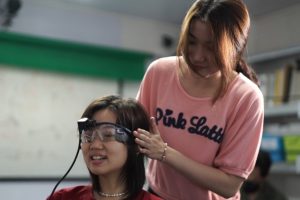
Human-Centered Product & Experience Design
This area focuses on designing products and user experiences based on a deep understanding of human needs, behaviors, and everyday contexts. Students learn how to develop functional, ergonomic, and socially relevant products while creating meaningful user experiences.
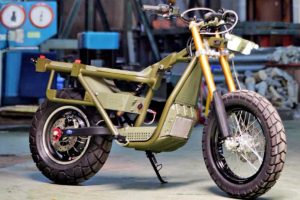
Sustainable & Circular Design
This area emphasizes environmentally responsible design approaches through material selection, production processes, and life-cycle thinking. Students explore circular economy principles and strategies to reduce environmental impact while generating new social and industrial value.
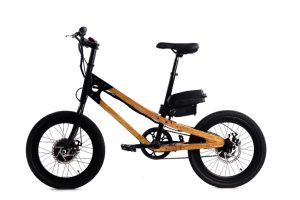
Mobility & Future Living Systems
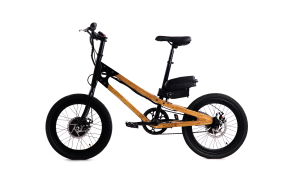
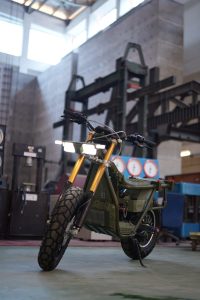
This area explores product and system design that supports future mobility and evolving living environments. It includes transportation solutions, urban mobility systems, and future-oriented living scenarios, addressing both physical products and user experiences within broader mobility ecosystems.
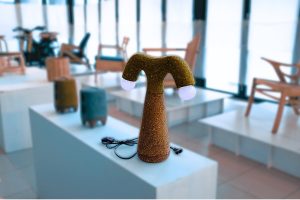
Craft, Material & Digital Innovation
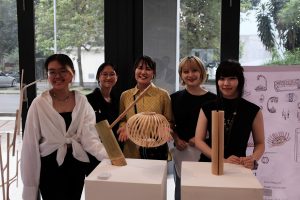
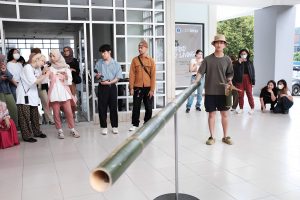
This area integrates material exploration, emerging production technologies, digital innovation, and craft knowledge as sources of product development. Students are encouraged to combine contemporary technologies with material understanding and craft traditions to create products that are culturally grounded and industrially relevant.
Curiculum
Overview
All students will undergo education in the Common Preparatory Program (TPB). Students will be introduced to various basic subjects. During this period students are listed as faculty/school students. At the end of the first year, students will choose a study program based on their interests and academic achievements.
Students have entered the selected study program. In the second year, all students will conduct academic exploration through the subjects offered by the study program.
Students will begin to do conceptualization and specialization in science.
Students start doing a final project as one of the requirements for obtaining a bachelor's degree.
Course Semester
| Courses | Credit |
| Figurative Drawing | 3 |
| Constructive Drawing | 3 |
| Visual Elementary in Two-Dimensional | 3 |
| Visual Elementary in Three-Dimensional | 3 |
| Computational Thinking | 2 |
| Pancasila | 2 |
| Introduction to Principles of Sustainability | 2 |
| Basic Laboratory in Art, Design | 2 |
| Courses | Credit |
| Study of Form and Structure | 3 |
| Digital Modelling | 3 |
| Introduction to Engineering and Design | 3 |
| Indonesian Language | 2 |
| Sports | 1 |
| Artificial Intelligence and Data Literacy | 2 |
| Human Creativity | 2 |
| Courses | Credit |
| Industrial Design I | 5 |
| Product Semantics | 2 |
| Material and Process | 2 |
| Workshop Practice | 3 |
| Presentation Technique | 3 |
| English | 2 |
| Courses | Credit |
| Industrial Design II | 5 |
| Basic Engineering in Product Design | 2 |
| Design Ergonomics | 3 |
| Design Method | 2 |
| Working Drawing for Product Design | 3 |
| Civic Education | 2 |
| Religion | 2 |
| Courses | Credit |
| Industrial Design III | 5 |
| Design Management | 3 |
| Built Environment Product Design | 2 |
| History of Design | 2 |
| Business and Entrepreneurship Management | 2 |
| Courses | Credit | ||
| Industrial Design IV | 5 | ||
| Design Critics | 2 | ||
| Research Methods | 2 | ||
| Industrial Design Professional Practice | 3 | ||
| Courses | Credit |
| Industrial Design V | 5 |
| Social Innovation Design | 3 |
| Design Anthropology | 3 |
| Product Design Seminar | 2 |
| Industrial Design – Pre Final Project | 3 |
| Courses | Credit |
| Art, Design and Environment | 3 |
| Final Project of Industrial Design | 6 |
Partner University & Expenses
Accommodation — £400–£700 • • • Meals (Groceries) — £100–£150 • • • Transport — £30–£50 • • • Utilities (Electricity, Water, Gas) — £50–£100 • • • Internet & Mobile — £20–£40 • • • Personal Expenses & Lifestyle — £100–£200 ——— Estimated Total per Month — £900–£1,300 Equivalent in IDR — Approximately 18–26 million
Accommodation — £400–£700 • • • Meals (Groceries) — £100–£150 • • • Transport — £30–£50 • • • Utilities (Electricity, Water, Gas) — £50–£100 • • • Internet & Mobile — £20–£40 • • • Personal Expenses & Lifestyle — £100–£200 ——— Estimated Total per Month — £900–£1,300 Equivalent in IDR — Approximately 18–26 million
Accommodation — ¥37,000–¥60,000 • • • Meals (Groceries) — ¥21,000–¥25,000 • • • Transport — ¥4,000–¥7,000 • • • Utilities (Electricity, Water, Gas) — ¥7,000–¥10,000 • • • Internet & Mobile — ¥3,000–¥5,000 • • • Personal Expenses & Lifestyle — ¥15,000–¥30,000 ——— Estimated Total per Month — ¥90,000–¥120,000 (typical) Equivalent in IDR — Approximately 9–13 million
Accommodation — ¥37,000–¥60,000 • • • Meals (Groceries) — ¥21,000–¥25,000 • • • Transport — ¥4,000–¥7,000 • • • Utilities (Electricity, Water, Gas) — ¥7,000–¥10,000 • • • Internet & Mobile — ¥3,000–¥5,000 • • • Personal Expenses & Lifestyle — ¥15,000–¥30,000 ——— Estimated Total per Month — ¥90,000–¥120,000 (typical) Equivalent in IDR — Approximately 9–13 million
Accommodation — ¥37,000–¥60,000 • • • Meals (Groceries) — ¥21,000–¥25,000 • • • Transport — ¥4,000–¥7,000 • • • Utilities (Electricity, Water, Gas) — ¥7,000–¥10,000 • • • Internet & Mobile — ¥3,000–¥5,000 • • • Personal Expenses & Lifestyle — ¥15,000–¥30,000 ——— Estimated Total per Month — ¥90,000–¥120,000 (typical) Equivalent in IDR — Approximately 9–13 million
Accommodation — S$400–S$700 (shared) • • • Meals (Groceries) — S$250–S$350 • • • Transport — S$45–S$60 • • • Utilities (Electricity, Water, Gas) — S$80–S$120 (if not included) • • • Internet & Mobile — S$20–S$40 • • • Personal Expenses & Lifestyle — S$150–S$300 ——— Estimated Total per Month — S$1,200–S$1,600 Equivalent in IDR — Approximately 14–19 million
Accommodation — S$400–S$700 (shared) • • • Meals (Groceries) — S$250–S$350 • • • Transport — S$45–S$60 • • • Utilities (Electricity, Water, Gas) — S$80–S$120 (if not included) • • • Internet & Mobile — S$20–S$40 • • • Personal Expenses & Lifestyle — S$150–S$300 ——— Estimated Total per Month — S$1,200–S$1,600 Equivalent in IDR — Approximately 14–19 million
Accommodation — S$400–S$700 (shared) • • • Meals (Groceries) — S$250–S$350 • • • Transport — S$45–S$60 • • • Utilities (Electricity, Water, Gas) — S$80–S$120 (if not included) • • • Internet & Mobile — S$20–S$40 • • • Personal Expenses & Lifestyle — S$150–S$300 ——— Estimated Total per Month — S$1,200–S$1,600 Equivalent in IDR — Approximately 14–19 million
Accommodation — S$400–S$700 (shared) • • • Meals (Groceries) — S$250–S$350 • • • Transport — S$45–S$60 • • • Utilities (Electricity, Water, Gas) — S$80–S$120 (if not included) • • • Internet & Mobile — S$20–S$40 • • • Personal Expenses & Lifestyle — S$150–S$300 ——— Estimated Total per Month — S$1,200–S$1,600 Equivalent in IDR — Approximately 14–19 million
Accommodation — ¥2,000–¥4,000 • • • Meals (Groceries) — ¥700–¥1,800 • • • Transport — ¥150–¥300 • • • Utilities (Electricity, Water, Gas) — ¥200–¥300 • • • Internet & Mobile — ¥80–¥150 • • • Personal Expenses & Lifestyle — ¥800–¥1,500 ——— Estimated Total per Month — ¥4,500–¥7,500 Equivalent in IDR — Approximately 9–15 million
Accommodation — ¥2,000–¥4,000 • • • Meals (Groceries) — ¥700–¥1,800 • • • Transport — ¥150–¥300 • • • Utilities (Electricity, Water, Gas) — ¥200–¥300 • • • Internet & Mobile — ¥80–¥150 • • • Personal Expenses & Lifestyle — ¥800–¥1,500 ——— Estimated Total per Month — ¥4,500–¥7,500 Equivalent in IDR — Approximately 9–15 million
Accommodation — AU$700–AU$1,200 • • • Meals (Groceries) — AU$250–AU$400 • • • Transport — AU$60–AU$140 • • • Utilities (Electricity, Water, Gas) — AU$80–AU$150 • • • Internet & Mobile — AU$30–AU$60 • • • Personal Expenses & Lifestyle — AU$200–AU$350 ——— Estimated Total per Month — AU$1,300–AU$2,200 Equivalent in IDR — Approximately 14–24 million
Accommodation — AU$700–AU$1,200 • • • Meals (Groceries) — AU$250–AU$400 • • • Transport — AU$60–AU$140 • • • Utilities (Electricity, Water, Gas) — AU$80–AU$150 • • • Internet & Mobile — AU$30–AU$60 • • • Personal Expenses & Lifestyle — AU$200–AU$350 ——— Estimated Total per Month — AU$1,300–AU$2,200 Equivalent in IDR — Approximately 14–24 million
Accommodation — AU$700–AU$1,200 • • • Meals (Groceries) — AU$250–AU$400 • • • Transport — AU$60–AU$140 • • • Utilities (Electricity, Water, Gas) — AU$80–AU$150 • • • Internet & Mobile — AU$30–AU$60 • • • Personal Expenses & Lifestyle — AU$200–AU$350 ——— Estimated Total per Month — AU$1,300–AU$2,200 Equivalent in IDR — Approximately 14–24 million
Accommodation — AU$700–AU$1,200 • • • Meals (Groceries) — AU$250–AU$400 • • • Transport — AU$60–AU$140 • • • Utilities (Electricity, Water, Gas) — AU$80–AU$150 • • • Internet & Mobile — AU$30–AU$60 • • • Personal Expenses & Lifestyle — AU$200–AU$350 ——— Estimated Total per Month — AU$1,300–AU$2,200 Equivalent in IDR — Approximately 14–24 million
Career
Graduates of the Product Design Program at FSRD ITB have broad career opportunities across manufacturing industries, creative sectors, and technology-driven companies at both national and international levels. Equipped with the ability to design innovative and sustainable products, systems, and user experiences, graduates may pursue careers as:
● Industrial/Product Designers in manufacturing and product development industries,
● Product Designers in technology companies, startups, and creative industries,
● Design Researchers in research institutions, universities, or industries,
● Design Consultants in design and innovation consultancies,
● Entrepreneurs developing design-driven products and creative businesses,
● as well as other professional roles in product innovation, material development, mobility solutions, and creative industries.
Graduates may also continue their studies in design or related interdisciplinary fields at advanced academic levels.
Competence of Graduates
Graduates of the Product Design Program at FSRD ITB are equipped with the ability to design innovative and meaningful products and systems that respond to real human needs and future challenges. Students learn to transform real-world problems into design solutions through research, creative exploration, and the integration of technology and human-centered approaches. Graduates are able to communicate design ideas professionally, collaborate in multidisciplinary teams, and adapt to evolving industrial and technological contexts. With an understanding of social, cultural, and business aspects of design, graduates are prepared to pursue global careers as designers, researchers, or entrepreneurs who contribute to sustainable and impactful futures.
Alumni Testimonials
1. Raka Gema Maulid
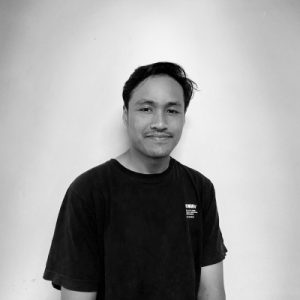
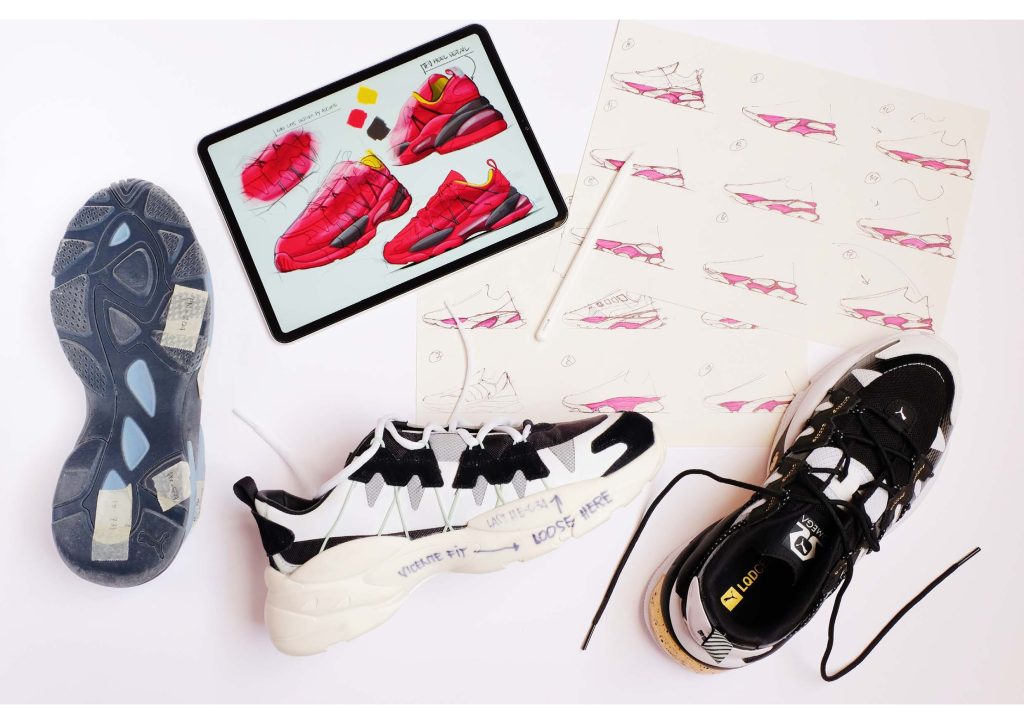
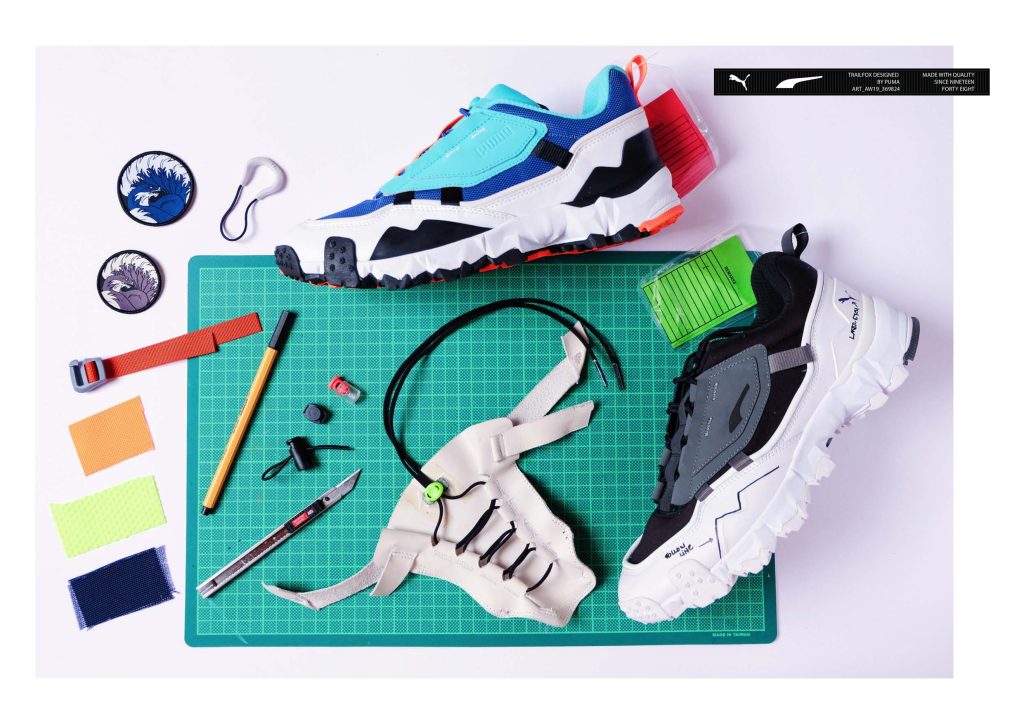
Actively exploring and consistently seeking guidance from seniors, alumni, and lecturers are small but fundamental steps that Raka Gema Maulid strongly emphasizes as the foundation for truly mastering one’s field of study. For him, learning does not stop in the classroom. Curiousity, the courage to ask questions, and openness to feedback are essential elements of growth. These seemingly simple yet consistent efforts gradually led him to where he is today, A Senio Footwear Designer n the running division of Adidas Originals.
While completing his final projrct as a Product Design student at Intitut Teknologi Bandung, he recalls feeling deeply satiesfied with the outcome. Not only was the topic closely aligned with his passion for footwear design, but the process was also strengthened by the guidance of the late Dr. Andar Bagus Sriwarno, M.Sn.who encouraged him to think critically and push his ideas further. That experience reinforced his belief in maximizing campus resources from workshops and tools to academic networks as valuable preparation for entering the professional world.
With the professional branding he has built today, Raka highlights the importance of establishing reputation early on. A strong portfolio, participation in design competitions, and involvement in both local and international contests are long-term investments in a creative career. For him, competitions are not merely about winning; they are opportunities to sharpen design sensitivity, build resilience, and refine the ability to present ideas convincingly.
Proficiency in a second language, particularly English, is another crucial advantage. In a global industry, communication skills are essential whether for job applications, interviews, or cross-cultural collaborations.
For students who aspire to build careers abroad, Raka stresses the importance of mental readiness and self-confidence. Beyond technical skills, one must be able to clearly articulate and “sell” their value during interviews. Rejection, he believes, is not the end of the journey. The willingness to keep trying, learning, and improving is what ultimately shapes both character and professional quality.
2. AMELIA RACHIM
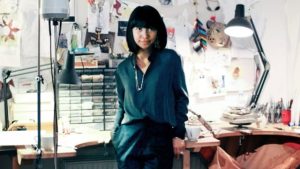
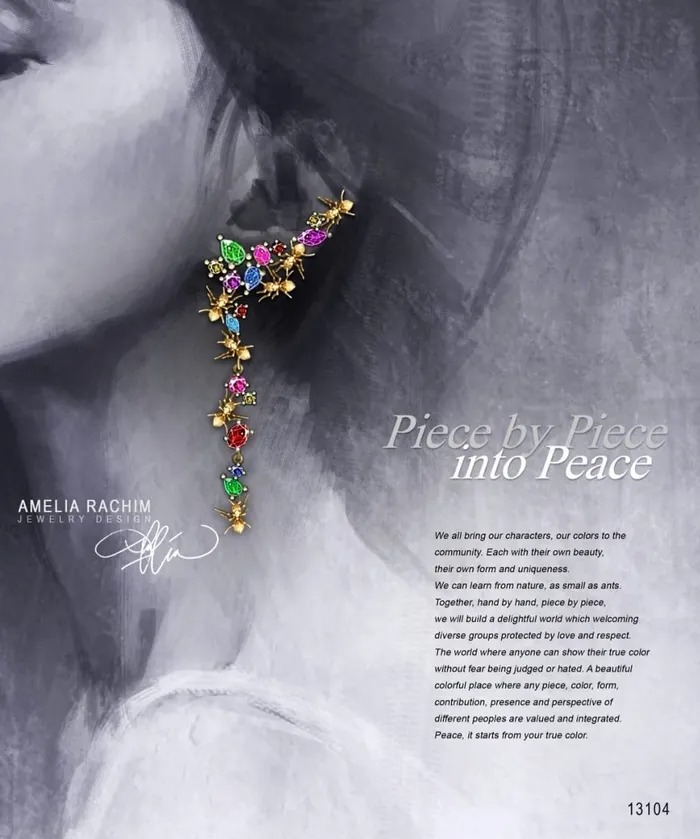
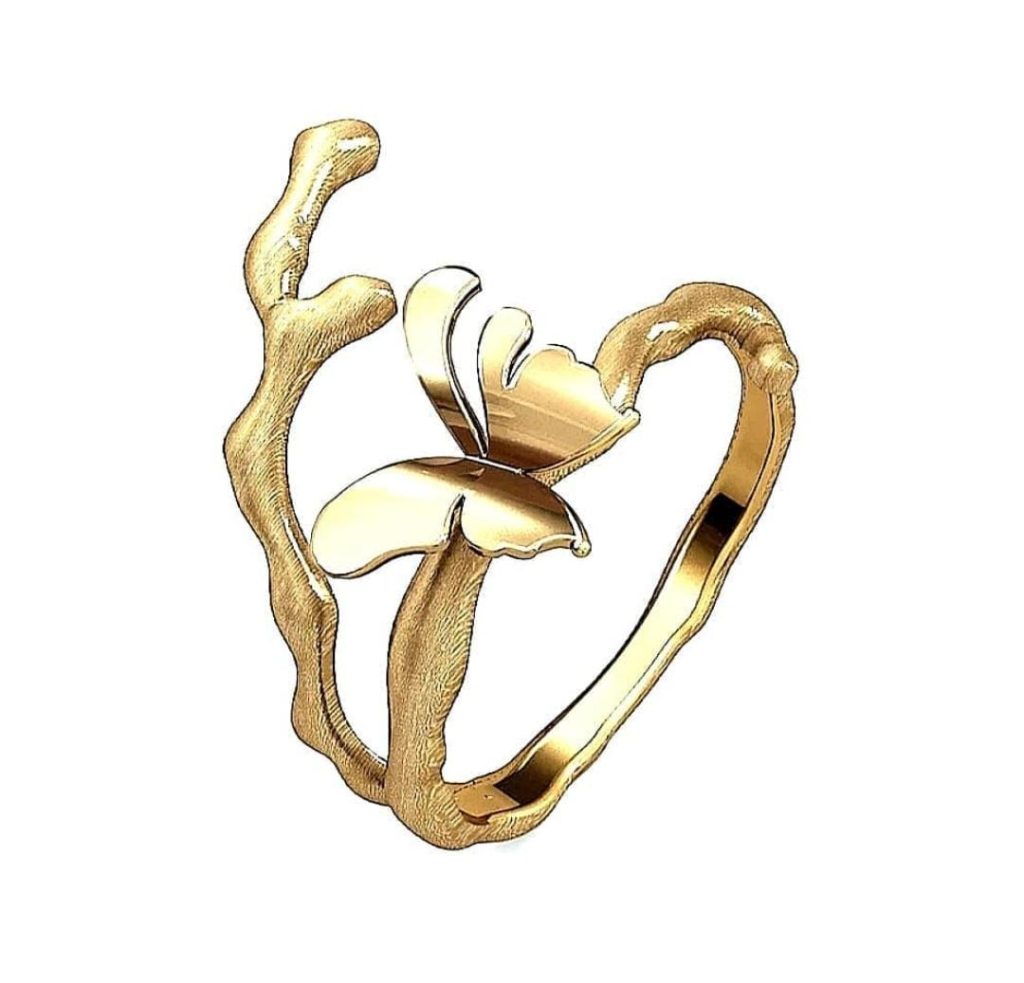
Amelia Rachim, a graduate of Product Design from Institut Teknologi Bandung in 2008, won first place in the gemstone category at the 18th HRD Antwerp Design Award, held during Vicenzaoro in Italy in January 2023. Competing against around 1,600 participants from more than 100 countries, she was the only representative from Indonesia to receive the award.
She later pursued a master’s degree in Jewelry Engineering at Politecnico di Torino in Italy, further strengthening her technical and conceptual approach to jewelry design. Her winning piece, “Piece by Piece into Peace,” was inspired by ants and Indonesia’s cultural diversity, conveying a message of harmony through differences. The design combines contemporary aesthetics with traditional Indonesian jewelry-making techniques.
Amelia hopes her achievement will inspire young designers to grow not only in originality and aesthetics, but also in technical mastery, wearability, and manufacturability. Beyond her award, she remains committed to promoting Indonesian craftsmanship and encouraging a broader appreciation of jewelry as an artistic and cultural expression, rather than valuing it solely based on its materials.
3. LARASATI
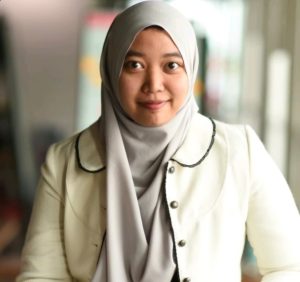
Graduating with the highest academic distinction in her class (GPA 3.98) from Institut Teknologi Bandung, she has built an international career at the intersection of innovation, technology, and business strategy. She pursued a Master’s degree in Innovation Design Engineering, a double-degree program between Imperial College London and Royal College of Art, under a full scholarship from LPDP. She was also awarded a fellowship at the University of Oxford through EIT-Health, where she designed end-of-life and palliative care experiences in the UK.
She currently serves as an Innovation Manager at Airbus in Singapore. In this role, she led the end-to-end planning and implementation of the Regional Skywise Experience Centre with a USD 100K budget, coordinating a multidisciplinary team and launching it within six months for Airbus senior leadership, airline clients, and government stakeholders. She also spearheaded the development of multiple AI/ML aviation technology demonstrators, securing USD 700K in grants and establishing strategic startup partnerships. Her work has shaped Skywise’s five-year growth strategy, earned her the Airbus UX Award 2024, and contributed to European patent filings in computer vision and cabin systems innovation.
Previously, she worked as a Senior Service Design Consultant at an innovation and venture-building consultancy in Singapore, where she launched a value-based healthcare service that improved clinical outcomes by 30% and achieved high customer satisfaction (NPS 82.5). She also served as a Customer Experience Consultant at Wunderman Thompson (WPP), leading cross-functional design initiatives across Asia-Pacific for clients including Nestle, Unilever, DBS Bank, and Traveloka. Her contributions included developing AI-driven chatbot frameworks and large-scale experience strategies impacting hundreds of thousands of users. Earlier in her career, she was a Digital Designer in the R&D division of Mitsubishi Electric in Japan, pioneering next-generation home appliance concepts using gesture control and computer vision.
Throughout her journey, she has consistently integrated human-centered design, in-depth research, and emerging technologies to deliver impactful solutions. For her, innovation is not merely about introducing new technologies, but about designing systems and experiences that are humanly meaningful and strategically sustainable on a global scale.