The International Undergraduate Program in Craft
“Craft Innovation and Material Practice”
The Undergraduate Program in Craft is focused on integrating culture, innovation, and material exploration within a contemporary context. This program instills cultural values while simultaneously encouraging the pursuit of solutions and creative innovations that are relevant to global developments.
Through mastery of manual skills, creative and critical thinking, medium empowerment, and expertise in material processing using multidisciplinary and contextual approaches, Undergraduate Program in Craft positions craft as a dynamic and progressive field of knowledge in addressing the challenges of the future creative industry.
The close interrelation between craft, history, environment, and community traditions gives rise to a dialectical understanding of modernity within the constellation of evolving times. Thus, Undergraduate Program in Craft plays a role in transforming tradition into innovation and establishing craft as a bridge between cultural heritage and the future of global design.
Pathways
The International Undergraduate Program in Craft offers two pathways:
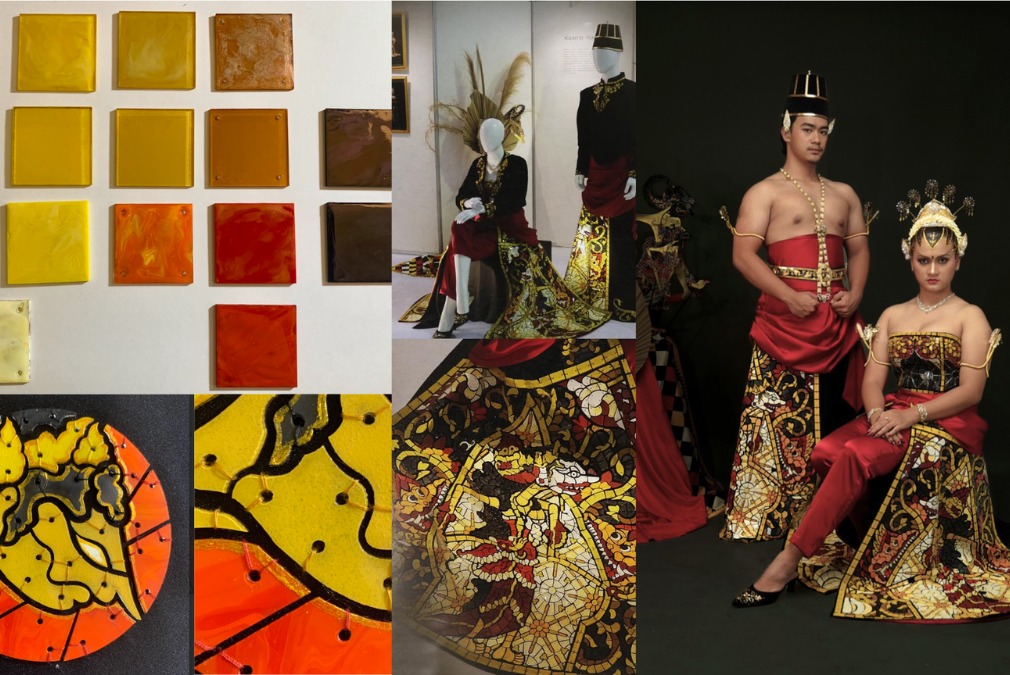
Craft and Lifestyle
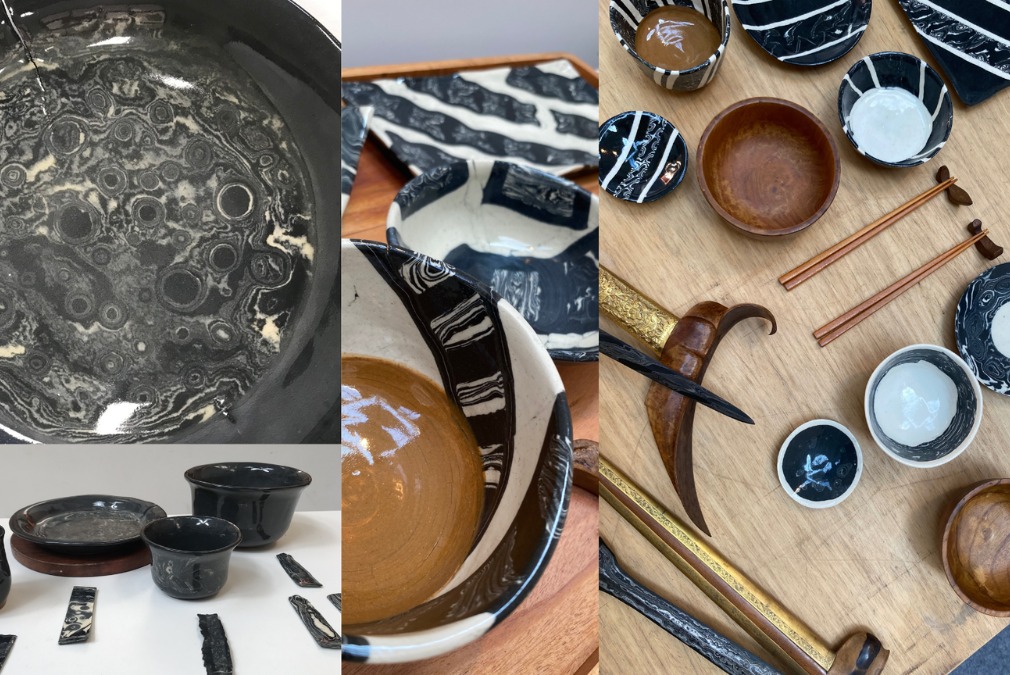
Craft and Material Research
Curriculum
Overview
All students will undergo education in the Common Preparatory Program (TPB). Students will be introduced to various basic subjects. During this period students are listed as faculty/school students. At the end of the first year, students will choose a study program based on their interests and academic achievements.
Students have entered the selected study program. In the second year, all students will conduct academic exploration through the subjects offered by the study program.
Students will begin to do conceptualization and specialization in science.
Students start doing a final project as one of the requirements for obtaining a bachelor's degree.
Course Semester
| Courses | Credit |
| Constructive Drawing |
3 |
| Visual Elementary in Two-Dimensional | 3 |
| Visual Elementary in Three-Dimensional | 3 |
| Computational Thinking | 2 |
| Introduction to Principles of Sustainability | 2 |
| Basic Laboratory in Art, Design | 2 |
| Figurative Drawing | 3 |
| Courses | Credit |
| Anatomy Drawing | 3 |
| Visual Art Elementary | 3 |
| Artificial Intelligence and Data Literacy | 2 |
| Introduction to Engineering and Design | 3 |
| Indonesian Language | 2 |
| Sports | 1 |
| Human Creativity | 2 |
| Courses | Credit |
| Introduction to Visual Art | 2 |
| Arts Media | 2 |
| English | 2 |
| Introduction to Aesthetics | 2 |
| Model Drawing | 3 |
| Courses | Credit |
| Asian Art History | 2 |
| Art Review | 2 |
| Religion | 2 |
| Civic Education | 2 |
| History of Art and Design | 2 |
| Courses | Credit |
| Research Methods | 2 |
| Art, Science, and Technology | 2 |
| Art Criticism I | 2 |
| Art in Public Space | 3 |
| Artistic Methodology I | 2 |
| Modern Art | 2 |
| Courses | Credit |
| History of Indonesian Art I | 2 |
| Trans-aesthetics: Indonesian and the Western | 2 |
| Art Project I | 5 |
| Nowness: Art in the 21st Century | 2 |
| Seminar | 3 |
| Courses | Credit |
| Exhibition Project | 3 |
| Sociology of Art I | 2 |
| Art Project II | 5 |
| Business and Entrepreneurship Management | 2 |
| Courses | Credit |
| Art, Design and Environment | 3 |
| Final Project of Visual Art | 6 |
Partner University & Expenses
Accommodation — £400–£700 • • • Meals (Groceries) — £100–£150 • • • Transport — £30–£50 • • • Utilities (Electricity, Water, Gas) — £50–£100 • • • Internet & Mobile — £20–£40 • • • Personal Expenses & Lifestyle — £100–£200 ——— Estimated Monthly Total — £900–£1,300 Equivalent in IDR — Approximately IDR 18–26 million
Accommodation — ¥37,000–¥60,000 • • • Meals (Groceries) — ¥21,000–¥25,000 • • • Transport — ¥4,000–¥7,000 • • • Utilities (Electricity, Water, Gas) — ¥7,000–¥10,000 • • • Internet & Mobile — ¥3,000–¥5,000 • • • Personal Expenses & Lifestyle — ¥15,000–¥30,000 ——— Estimated Monthly Total — ¥90,000–¥120,000 (typical) Equivalent in IDR — Approximately 9–13 million
Accommodation — £400–£700 • • • Meals (Groceries) — £100–£150 • • • Transport — £30–£50 • • • Utilities (Electricity, Water, Gas) — £50–£100 • • • Internet & Mobile — £20–£40 • • • Personal Expenses & Lifestyle — £100–£200 ——— Estimated Total per Month — £900–£1,300 Equivalent in IDR — Approximately 18–26 million
Accommodation — ¥37,000–¥60,000 • • • Meals (Groceries) — ¥21,000–¥25,000 • • • Transport — ¥4,000–¥7,000 • • • Utilities (Electricity, Water, Gas) — ¥7,000–¥10,000 • • • Internet & Mobile — ¥3,000–¥5,000 • • • Personal Expenses & Lifestyle — ¥15,000–¥30,000 ——— Estimated Total per Month — ¥90,000–¥120,000 (typical) Equivalent in IDR — Approximately 9–13 million
Accommodation — ¥37,000–¥60,000 • • • Meals (Groceries) — ¥21,000–¥25,000 • • • Transport — ¥4,000–¥7,000 • • • Utilities (Electricity, Water, Gas) — ¥7,000–¥10,000 • • • Internet & Mobile — ¥3,000–¥5,000 • • • Personal Expenses & Lifestyle — ¥15,000–¥30,000 ——— Estimated Total per Month — ¥90,000–¥120,000 (typical) Equivalent in IDR — Approximately 9–13 million
Accommodation — S$400–S$700 (shared) • • • Meals (Groceries) — S$250–S$350 • • • Transport — S$45–S$60 • • • Utilities (Electricity, Water, Gas) — S$80–S$120 (if not included) • • • Internet & Mobile — S$20–S$40 • • • Personal Expenses & Lifestyle — S$150–S$300 ——— Estimated Total per Month — S$1,200–S$1,600 Equivalent in IDR — Approximately 14–19 million
Accommodation — S$400–S$700 (shared) • • • Meals (Groceries) — S$250–S$350 • • • Transport — S$45–S$60 • • • Utilities (Electricity, Water, Gas) — S$80–S$120 (if not included) • • • Internet & Mobile — S$20–S$40 • • • Personal Expenses & Lifestyle — S$150–S$300 ——— Estimated Total per Month — S$1,200–S$1,600 Equivalent in IDR — Approximately 14–19 juta
Accommodation — ¥2,000–¥4,000 • • • Meals (Groceries) — ¥700–¥1,800 • • • Transport — ¥150–¥300 • • • Utilities (Electricity, Water, Gas) — ¥200–¥300 • • • Internet & Mobile — ¥80–¥150 • • • Personal Expenses & Lifestyle — ¥800–¥1,500 ——— Estimated Total per Month — ¥4,500–¥7,500 Equivalent in IDR — Approximately 9–15 million
Accommodation — AU$700–AU$1,200 • • • Meals (Groceries) — AU$250–AU$400 • • • Transport — AU$60–AU$140 • • • Utilities (Electricity, Water, Gas) — AU$80–AU$150 • • • Internet & Mobile — AU$30–AU$60 • • • Personal Expenses & Lifestyle — AU$200–AU$350 ——— Estimated Total per Month — AU$1,300–AU$2,200 Equivalent in IDR — Approximately 14–24 million
Accommodation — AU$700–AU$1,200 • • • Meals (Groceries) — AU$250–AU$400 • • • Transport — AU$60–AU$140 • • • Utilities (Electricity, Water, Gas) — AU$80–AU$150 • • • Internet & Mobile — AU$30–AU$60 • • • Personal Expenses & Lifestyle — AU$200–AU$350 ——— Estimated Total per Month — AU$1,300–AU$2,200 Equivalent in IDR — Approximately 14–24 million
Career
Students of the International Undergraduate Craft (Kriya) Study Program have opportunities to work in various fields such as:
- Crafter
- Designer
- Artist
- Stylist
- Craft entrepreneur and craft management professional
- Design consultant
- Fabric designer
- Fashion editor & wardrobe specialist
- Fashion designer
- Craft researcher and academic
- Government expert / professional staff
Competence of Graduates
Students of the International Undergraduate Program in Craft are expected to be able to:
- Have the ability, knowledge, and skills in creating quality creative works.
- Be skilled and visually (aesthetically) sensitive in processing materials and forms in contemporary conditions in line with the latest technological advances
- Align the works to the concept of originality and able to process various mediums.
- Be oriented to social problems with good prospects for building small and medium industries, especially in the craft sector.
- Explore and encourage the rise of entrepreneurial attitudes in the context of mass or limited production in the field of crafts
- See opportunities in developing the functional, economic, and socio-cultural needs of craft products.
Alumni Testimonials
1. Eldine Syifa
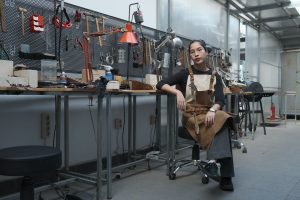
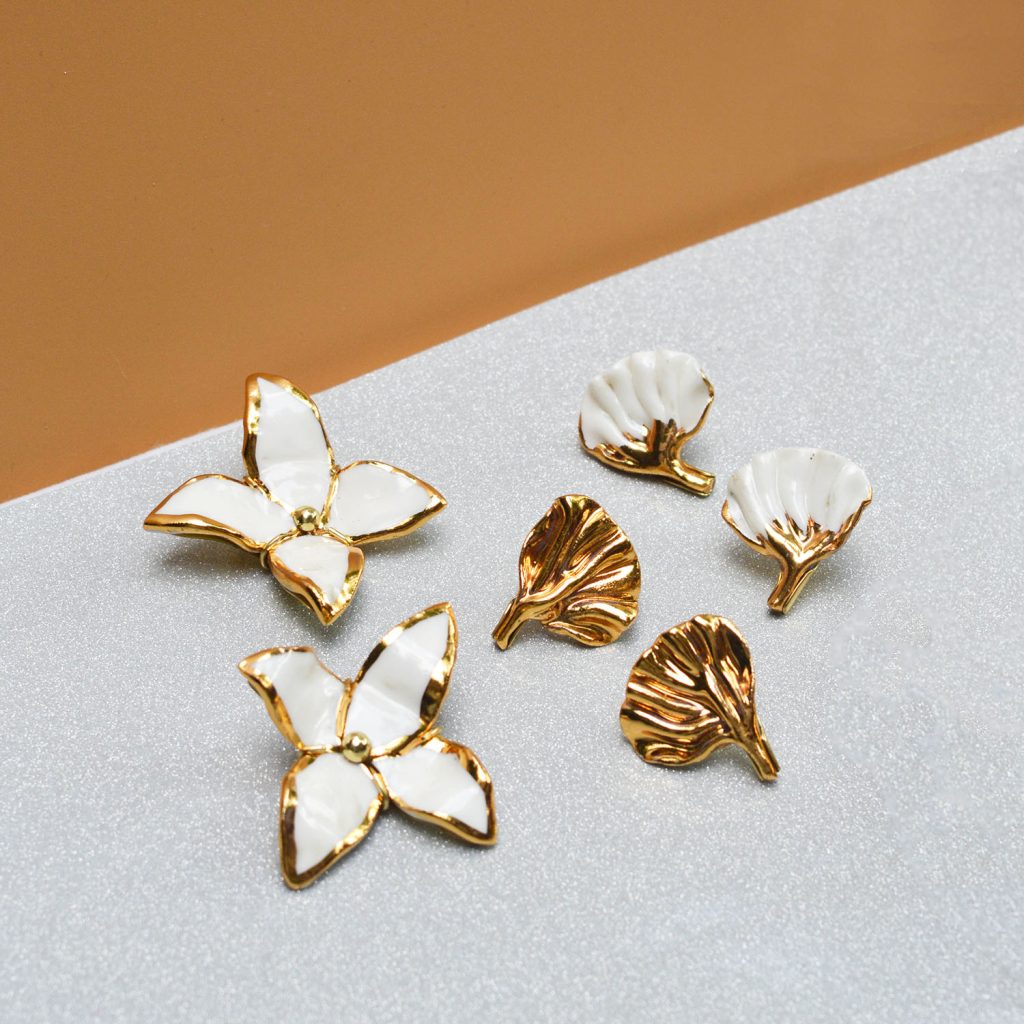
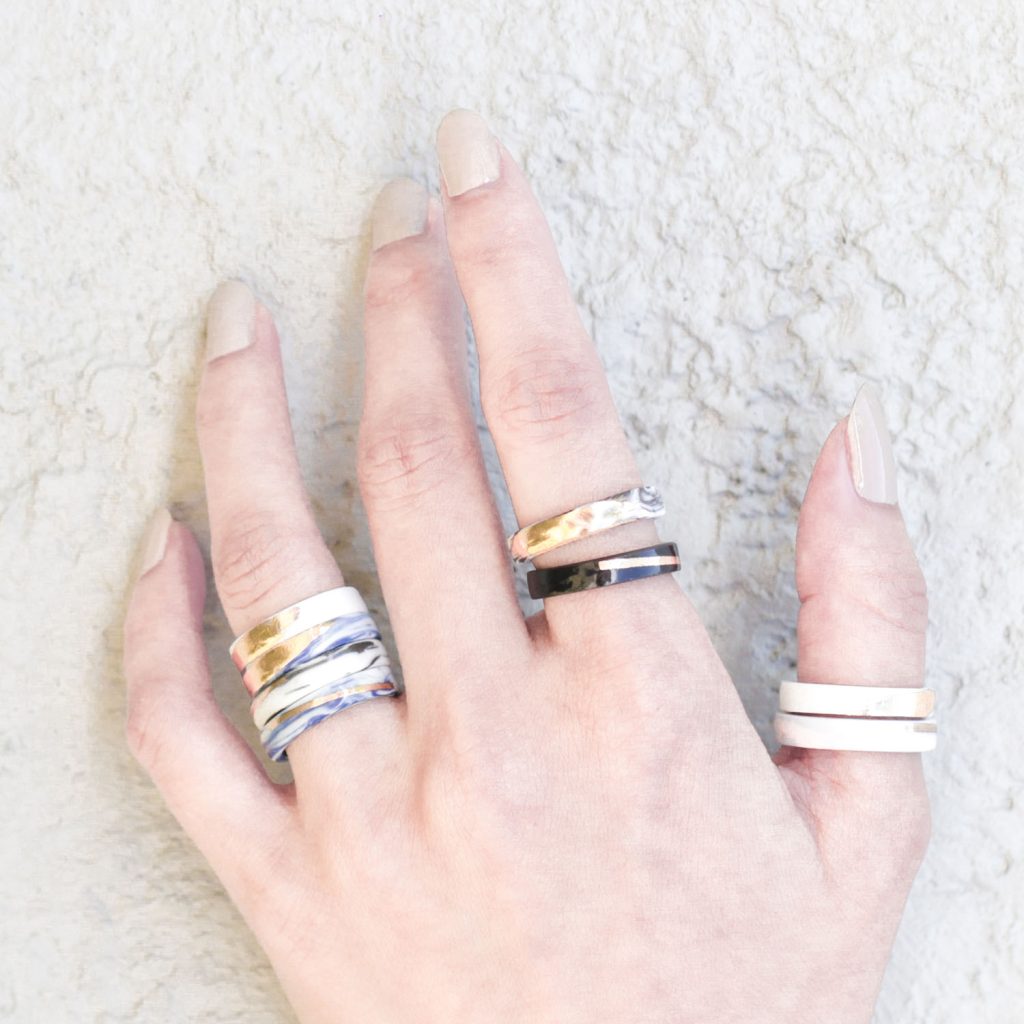
Meet Eldine Syifa, the metalsmith artist and the Founder of Lievik Atelier. She established Lievik Atelier two years after graduating with Bachelor of Craft from Institut Teknologi Bandung. Her passion for metalsmithing has continued to flourish throughout her career.
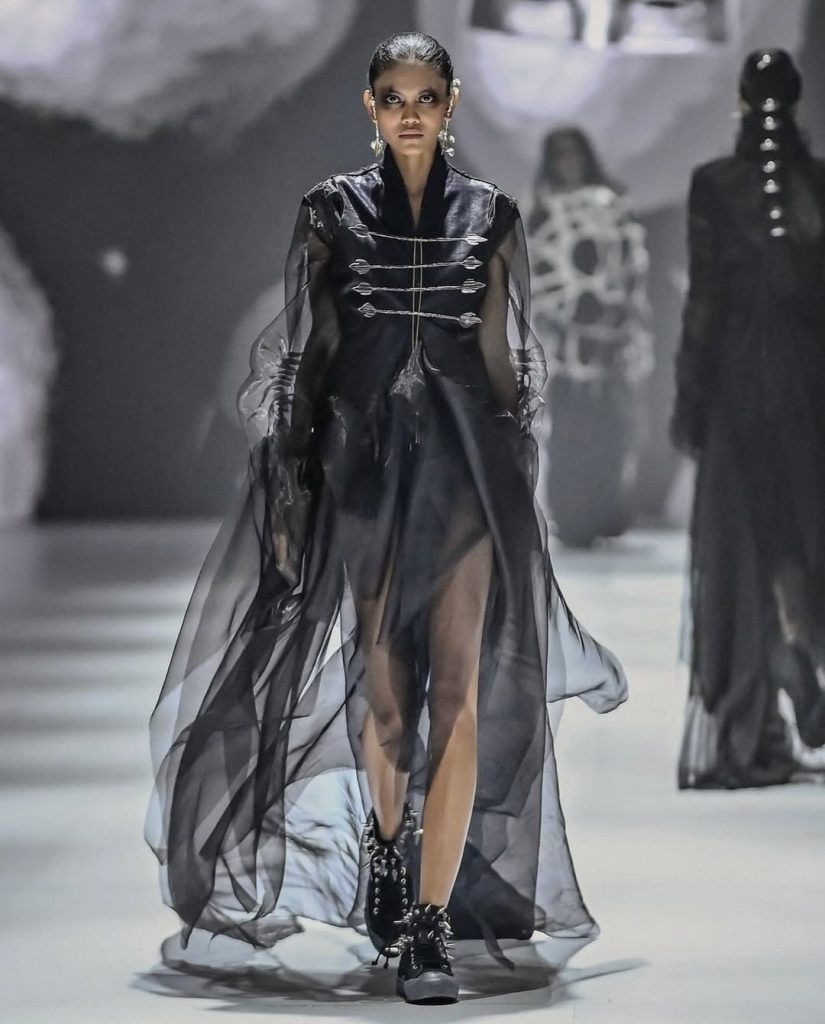
Her artistic journey has been marked by consistent participation in exhibitions since her college years. Demonstrating both commitment and professional growth. In 2025 alone, she has taken part in five exhibitions, reflecting an active and expanding presence in the art and design scene. These include the Indonesia Contemporary Art & Design in Jakarta, Boutique Fairs Singapore (Gifting Edition), Adicitra Ganesha, the Spring/Summer Edition of Boutique Fairs Singapore, and the Indonesia Contemporary Art & Design exhibition in Jakarta.
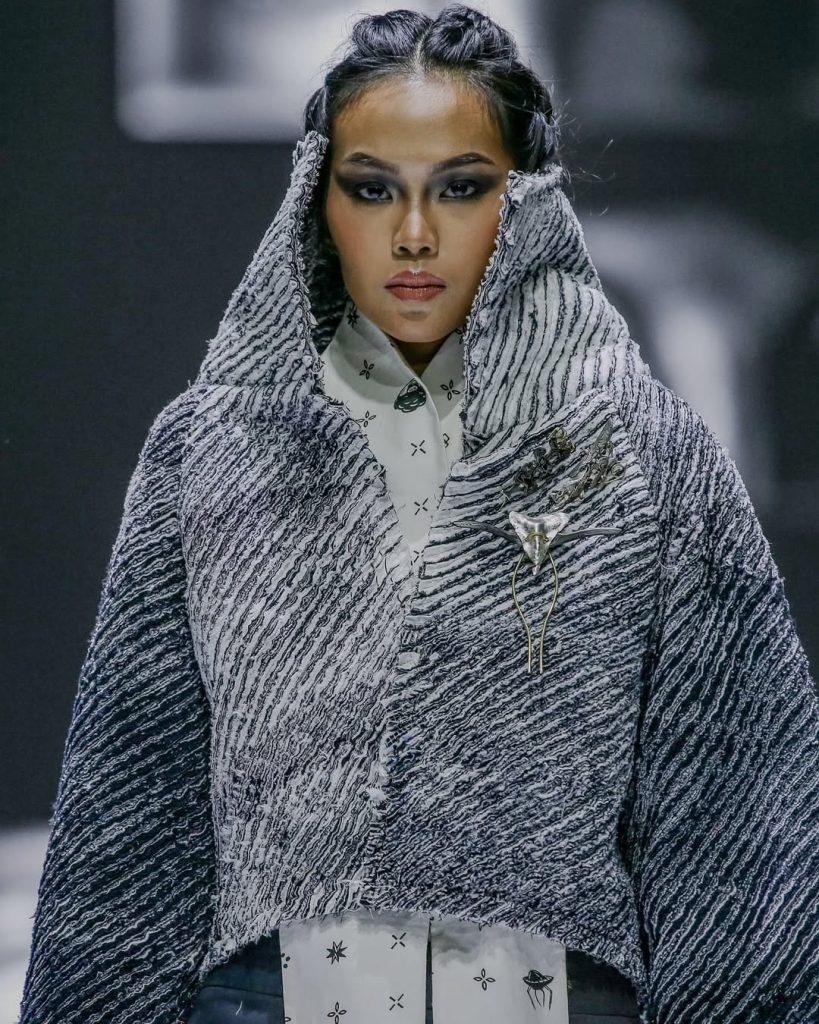
Her expertise in metalwork has also led to public commissions, including an Indonesian Map metal artwork project commissioned by the Ministry of Industry (2024) and the Ministry of Public Works and Public Housing (2025). In the fashion sphere, she developed jewelry art projects for Sejauh Mata Memandang × Eko Nugroho, Republik Sebelah Mata, presented at Jakarta Fashion Week 2025 (2024), as well as for BT Batik Trusmi’s Sejati Bersanding Collection, presented at Jakarta Fashion Week 2023 (2022).
For Eldine, craft is a space to play with materials, ideas, and possibilities—a place where she feels encouraged to experiment without fear of making mistakes. The process of exploration, including failing and starting over, is an essential part of finding her creative direction. Even today, the mindset and habit of experimenting remain deeply ingrained. From this approach, she has learned not to impose her ideas on the material, but to collaborate with it and let it guide her, treating each project as a dialogue between herself and the medium.
Through these platforms, Eldine continues to introduce her sculptural jewelry and metal-based works to wider audiences, positioning Lievik Atelier as a growing voice in contemporary craft and design. Her practice reflects a commitment to material exploration, refined technique, and the pursuit of meaningful objects that resonate beyond adornment.
2. Nidiya Kusmaya
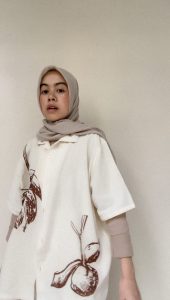
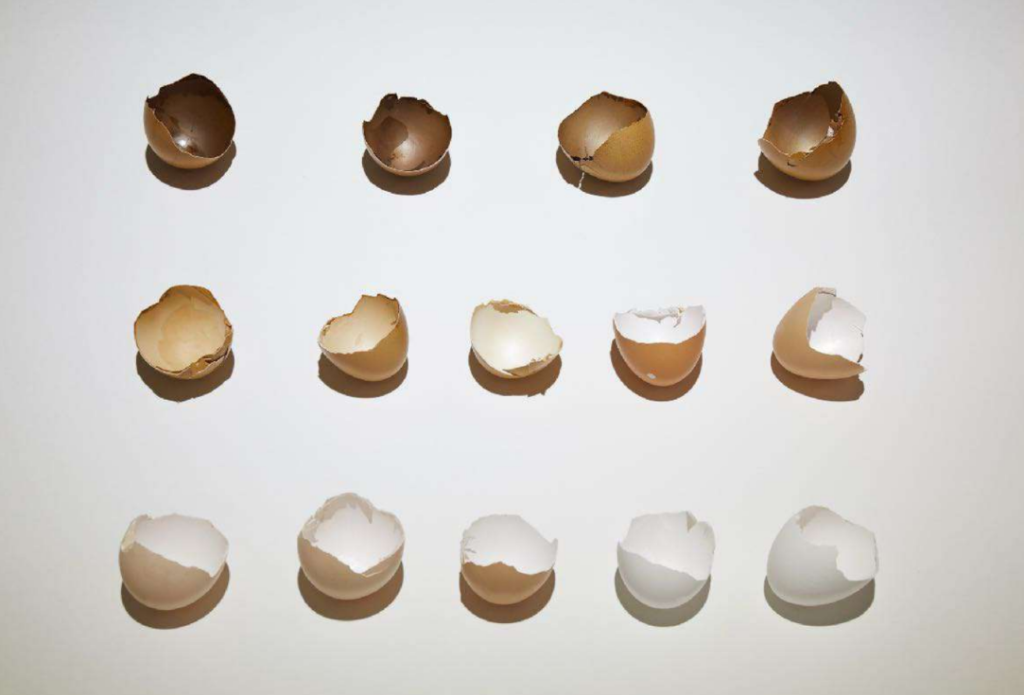
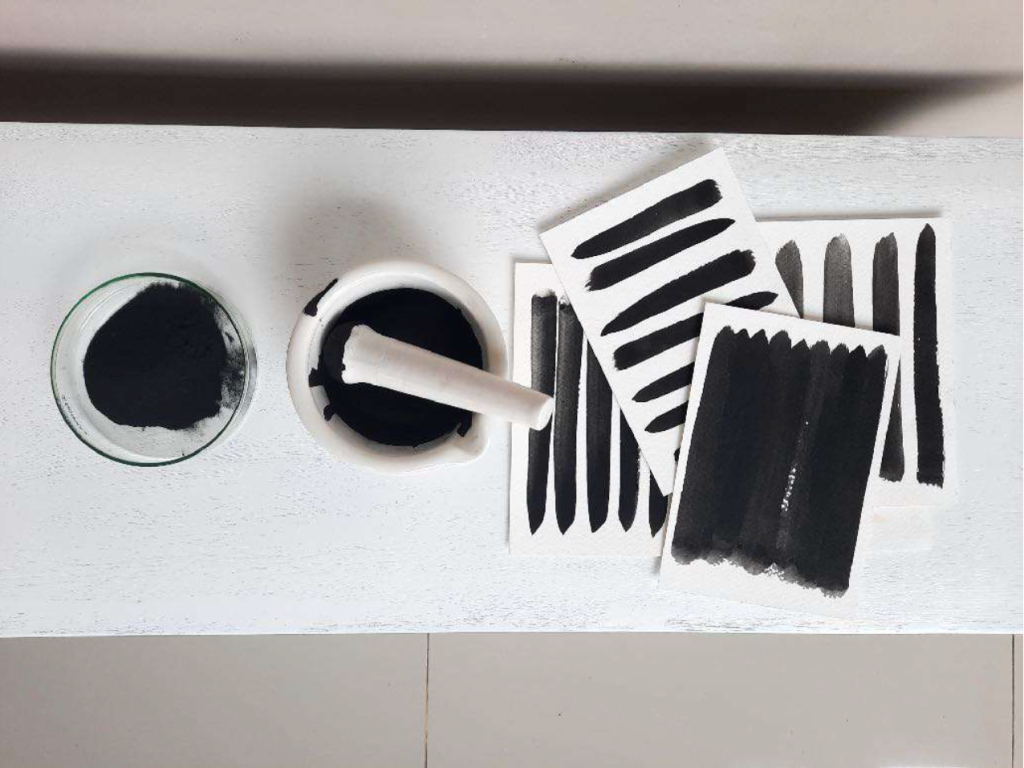
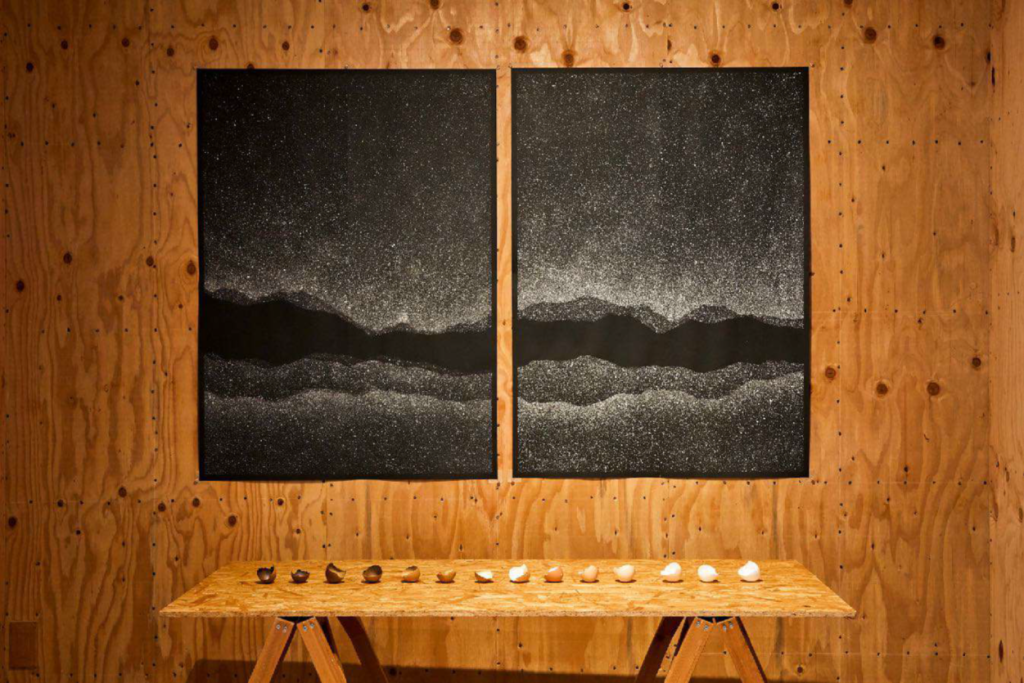
Through creative use of waste materials, artists can make a meaningful contribution to environmental conservation. That is the principle that guides the work of Nidiya Kusmaya, a visionary textile artist. She specializes in developing alternative coloring materials, transforming discarded items into vibrant pigments for her art. Nidiya discovered this remarkable path after completing both her undergraduate and master’s studies at Institut Teknologi Bandung.
Her academic experience was more than just a period of study; it shaped the way she thinks and works as an artist. She mentioned that craft extends beyond technical skill, it demands soft skills like precision, patience, consistency, and a profound understanding of materials.The knowledge she gained from studying craft also deepened her understanding of materials not just as a medium, but as entities with physical, chemical, and visual properties that must be explored through systematic experimentation. She also conducts research that requires precision to develop pigments from organic waste, minerals, and locally sourced ingredients. She learned that every material carries its own character, history, and potential, all of which deserve respect and careful exploration. It is this philosophy that allows her to turn what others see as waste into something extraordinary, bridging creativity and environmental consciousness.
Nidiya also encourages new students to embrace opportunities that expand both skills and perspectives. She emphasizes building networks, sharpening communication, and cultivating a strong artistic identity. “Stay confident in your background and local richness,” she advises, “because these are often your greatest strengths in an international environment.” Drawing from her own residencies and research projects abroad, she stresses openness to differences, adaptability, active engagement, and sharing your process—not just the final result. Sincere relationships, careful documentation, and participation in presentations or open studios can turn every opportunity into lasting growth. For Nidiya, it is this combination of creativity, respect for materials, and global engagement that makes her practice both innovative and impactful.
3. Tania Kardin
For Tania Andina Kardin, creativity is not only about crafting beautiful jewelry. It is about exploring ideas, mastering techniques, and building a practice that can grow suistainably. She believes that each design carries both artistic expression and entrepreneurial opportunity, a philosophy that has guided her journey as the owner of KAR Studio. This approach reflects the balance she learned during her time studying Craft at Institut Teknologi Bandung, where technical skills, design thinking, trend awareness, and early lessons in entrepreneurship became the foundation for her professional path.
She recalls her college years as both enjoyable and enriching, shaped by a dynamic creative environment and meaningful collaborations with fellow students. These experiences allowed her to grow not only academically, but also personally as a designer.
For new students entering the Craft International Class, Tania views the program as an ideal space to grow and explore individual potential. She encourages students to actively engage in learning, discussions, and creative experimentation to produce innovative and distinctive work.